
Book now
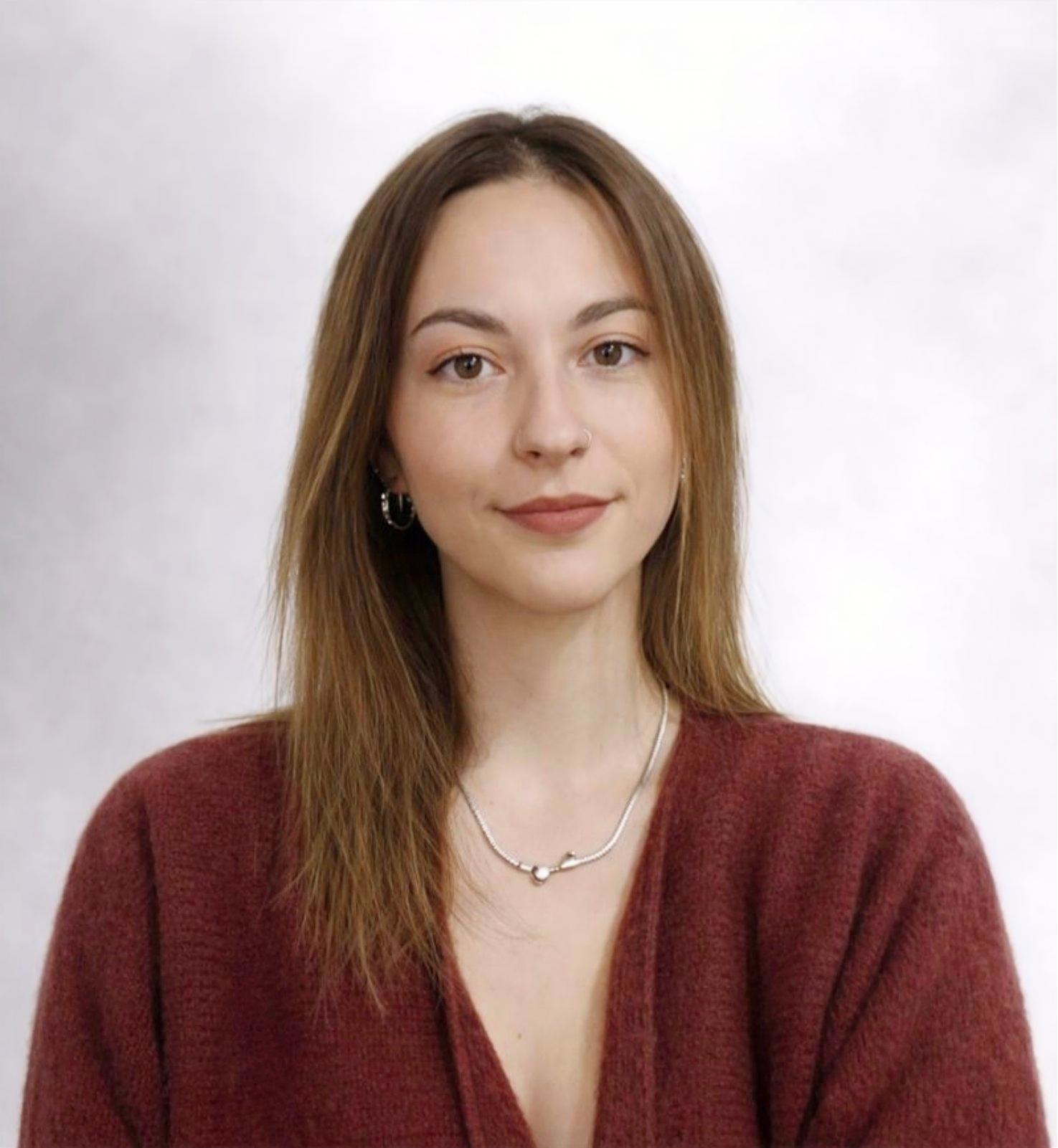
Christina Margioula MSc
Psychology - Systemic psychotherapist
My name is Christina Margioula and I am a Psychologist and Systemic Psychotherapist, with undergraduate and postgraduate studies in Psychology and Child and Adolescent Mental Health, as well as specialization in Systemic Psychotherapy and Counseling. In my therapeutic work, I welcome adults, adolescents, children, parents, and families into a safe and supportive space, with the aim of understanding internal processes and strengthening personal and interpersonal growth.
My professional experience includes multifaceted work in mental health institutions, in structures supporting vulnerable populations, as well as in private therapeutic practice. I have supported people dealing with issues of anxiety, emotional distress, identity crises, relationships, loss, or traumatic experiences, as well as individuals with mental health or developmental disorders, parents, and families. At the same time, I have facilitated psychoeducational and empowerment groups, undertaken training seminars, and participated in multidisciplinary teams within the framework of interdisciplinary approaches.
My interests also focus on group dynamics, sexual education, special education, and the psychological support of vulnerable populations—subjects I have studied through training programs and initiatives in academic and social contexts. Digital skills in the field of care, which are becoming increasingly necessary in our time, are also an area of my practical involvement, enabling me to support effectively in online environments as well. Alongside clinical work, I maintain active research interests, participating in university teams, research projects, and conferences.
My therapeutic stance is inspired by systemic thinking and social constructionism, according to which identity and experience are not static or purely internal, but co-constructed within discourse, relationships, and social interaction. In the therapeutic context, we do not seek an absolute truth, but more functional meanings; we do not “fix” the person, but help them reconnect with their capacities through new narratives.
As Michael White wrote:
“People are not the problem. The problem is the problem. And our stories are not told to define us, but to remind us that we can re-author them.”
Therefore, for me, therapy means engaging in a living, polyphonic process in which we can observe, reframe, and re-choose how we want to relate to ourselves and to others.
My professional experience includes multifaceted work in mental health institutions, in structures supporting vulnerable populations, as well as in private therapeutic practice. I have supported people dealing with issues of anxiety, emotional distress, identity crises, relationships, loss, or traumatic experiences, as well as individuals with mental health or developmental disorders, parents, and families. At the same time, I have facilitated psychoeducational and empowerment groups, undertaken training seminars, and participated in multidisciplinary teams within the framework of interdisciplinary approaches.
My interests also focus on group dynamics, sexual education, special education, and the psychological support of vulnerable populations—subjects I have studied through training programs and initiatives in academic and social contexts. Digital skills in the field of care, which are becoming increasingly necessary in our time, are also an area of my practical involvement, enabling me to support effectively in online environments as well. Alongside clinical work, I maintain active research interests, participating in university teams, research projects, and conferences.
My therapeutic stance is inspired by systemic thinking and social constructionism, according to which identity and experience are not static or purely internal, but co-constructed within discourse, relationships, and social interaction. In the therapeutic context, we do not seek an absolute truth, but more functional meanings; we do not “fix” the person, but help them reconnect with their capacities through new narratives.
As Michael White wrote:
“People are not the problem. The problem is the problem. And our stories are not told to define us, but to remind us that we can re-author them.”
Therefore, for me, therapy means engaging in a living, polyphonic process in which we can observe, reframe, and re-choose how we want to relate to ourselves and to others.